How Much Soil Do I Need for Raised Garden Beds? A Complete Guide
Raised garden beds have become one of the most popular ways to grow vegetables, herbs, and flowers. They provide better drainage, improved soil quality, and easier maintenance compared to traditional in-ground gardens. However, before building a raised bed, many gardeners ask the same question: how much soil do I need for raised garden beds?
Getting the correct amount of soil is important because soil is often one of the largest expenses when creating a raised bed garden. Buying too little can delay planting, while ordering too much can increase costs and leave you with unused material.
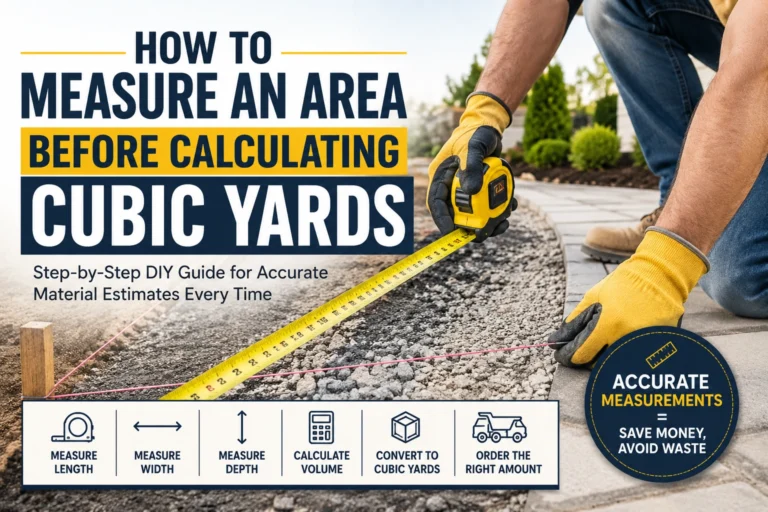
The good news is that estimating soil requirements is straightforward once you know the dimensions of your raised bed. By measuring the length, width, and depth of the bed, you can quickly calculate the volume of soil needed and determine how many cubic yards to order.
In this guide, you’ll learn how to calculate soil volume for raised garden beds, recommended soil depths for different plants, common bed sizes, and practical tips for filling your garden beds efficiently.
Why Soil Volume Matters in Raised Beds
Unlike traditional gardens that use existing ground soil, raised beds require imported soil to fill the growing space.
The amount of soil affects:
- Plant root development
- Water retention
- Nutrient availability
- Drainage performance
- Overall plant health
A bed that is too shallow may restrict root growth, while a properly filled raised bed gives plants enough room to thrive throughout the growing season.
How to Calculate Soil for a Raised Garden Bed
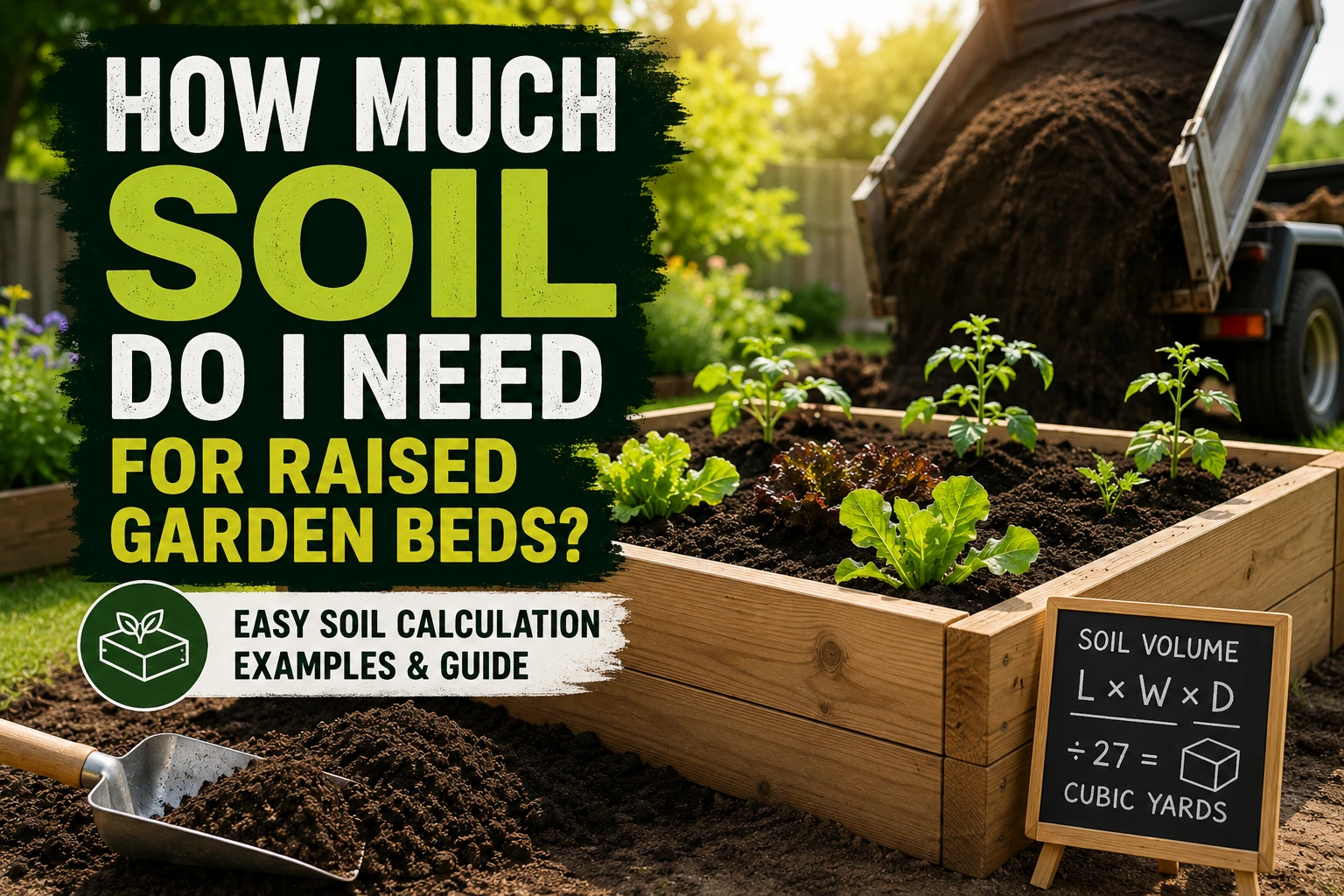
The standard formula used for soil calculations is:
Cubic Yards = Length × Width × Depth ÷ 27
Where:
- Length is measured in feet
- Width is measured in feet
- Depth is measured in feet
This formula converts cubic feet into cubic yards, which is the unit most soil suppliers use when selling bulk material.
Example Raised Bed Soil Calculation
Suppose you have a raised garden bed with the following dimensions:
- Length: 8 feet
- Width: 4 feet
- Depth: 12 inches
First, convert depth into feet:
12 inches ÷ 12 = 1 foot
Now calculate the volume:
8 × 4 × 1 = 32 cubic feet
Convert cubic feet to cubic yards:
32 ÷ 27 = 1.19 cubic yards
For this raised bed, you would need approximately 1.2 cubic yards of soil.
Most gardeners round up slightly when ordering bulk soil.
Recommended Soil Depth for Raised Garden Beds
The ideal soil depth depends on what you plan to grow.
Vegetables
Most vegetables perform well with 10 to 12 inches of quality soil.
This depth provides enough room for healthy root growth while maintaining good moisture retention.
Herbs
Many herbs can grow successfully in beds that are 6 to 10 inches deep.
Examples include basil, parsley, oregano, and thyme.
Root Vegetables
Carrots, potatoes, onions, and similar crops benefit from deeper soil.
A depth of 12 to 18 inches is often recommended.
Flowers
Most annual flowers grow well in beds that contain 8 to 12 inches of soil.
Perennials may benefit from additional depth depending on species.
Common Raised Bed Sizes and Soil Requirements
The table below shows approximate soil requirements for popular raised bed dimensions.
| Bed Size | Depth | Soil Needed |
| 4 × 4 ft | 12 in | 0.59 yd³ |
| 4 × 8 ft | 12 in | 1.19 yd³ |
| 4 × 12 ft | 12 in | 1.78 yd³ |
| 6 × 12 ft | 12 in | 2.67 yd³ |
| 8 × 12 ft | 12 in | 3.56 yd³ |
These estimates assume the beds are completely filled with soil.
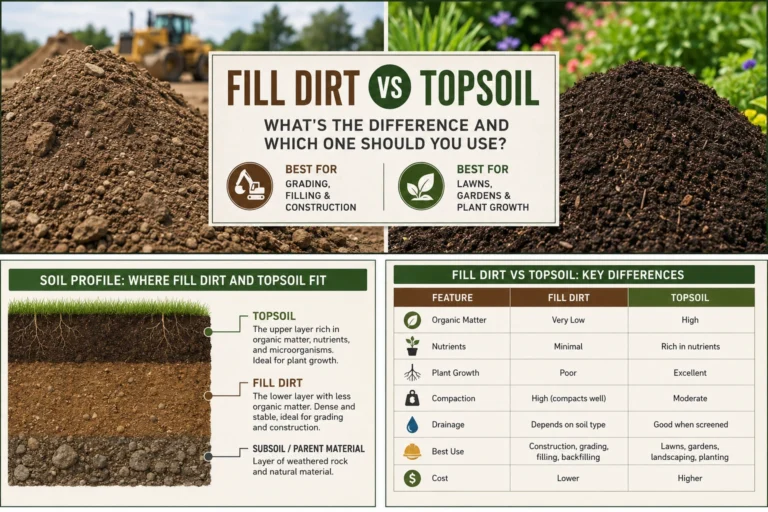
What Type of Soil Should You Use?
Not all soil is suitable for raised beds.
Many gardeners make the mistake of filling beds with ordinary backyard dirt, which may lack nutrients and proper drainage.
A quality raised bed mix typically contains:
- Topsoil
- Compost
- Organic matter
- A drainage component such as sand or aged bark
This combination creates a loose, fertile growing medium that supports healthy plant growth.
Bulk Soil vs Bagged Soil
For small raised beds, bagged soil may be practical.
However, larger gardens often benefit from bulk soil deliveries.
Bagged Soil
Bagged products are convenient and easy to transport, but they are usually more expensive per cubic yard.
Bulk Soil
Bulk soil is often significantly cheaper for large projects and is typically sold by the cubic yard.
If your project requires more than one cubic yard of soil, bulk delivery may be the most economical option.
Should You Fill the Entire Bed with Soil?
Many gardeners assume that every raised bed must be filled completely with premium soil.
In reality, deep raised beds can often be partially filled using organic materials.
Some gardeners place branches, leaves, untreated wood, or compostable materials near the bottom of the bed before adding quality garden soil on top.
This method can reduce soil costs while improving long-term soil health.
Common Soil Calculation Mistakes
One of the most common mistakes is forgetting to convert depth from inches into feet before using the volume formula.
Another mistake is failing to account for soil settling. Fresh soil often settles over time, especially after watering and natural decomposition.
Some gardeners also underestimate the number of beds they plan to build and order insufficient material.
Taking accurate measurements before ordering can help avoid these issues.
Should You Order Extra Soil?
Most landscaping professionals recommend ordering slightly more soil than the exact calculated amount.
Adding approximately 5% to 10% extra helps compensate for:
- Soil settling
- Minor measurement errors
- Future top-offs
- Uneven bed dimensions
A small surplus is often preferable to running out of material during installation.
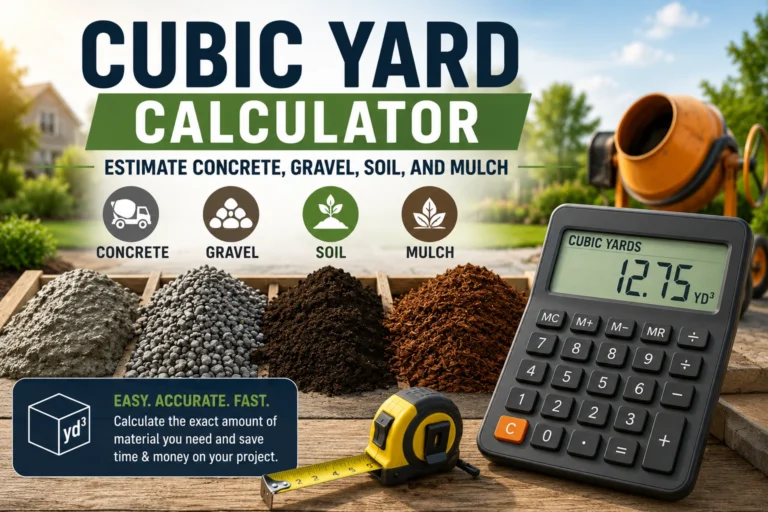
Using a Soil Calculator
While manual calculations are useful, an online calculator can provide faster results.
A soil calculator can instantly estimate:
- Cubic yards required
- Cubic feet required
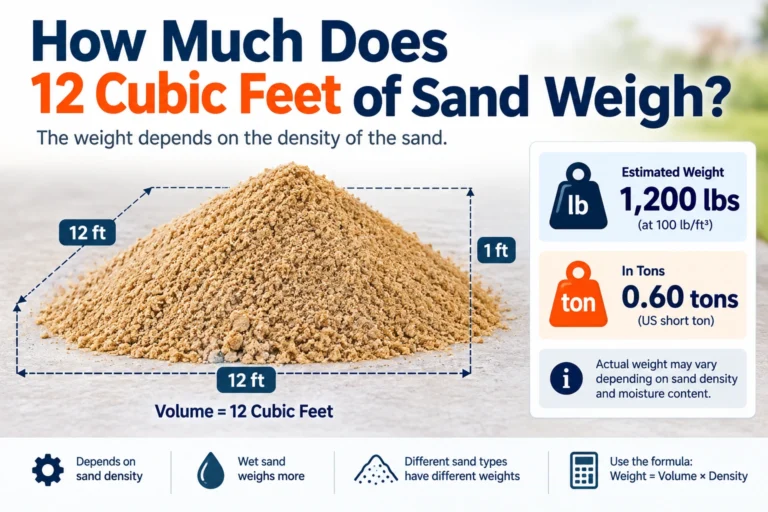
- Soil weight
- Coverage area
- Material costs
For quick and accurate estimates, use our Soil Cubic Yard Calculator before ordering material.
Frequently Asked Questions
How much soil do I need for a 4×8 raised garden bed?
A 4×8 bed that is 12 inches deep requires approximately 1.2 cubic yards of soil.
How deep should a raised garden bed be?
Most raised beds perform well with 10 to 12 inches of soil, although root crops often benefit from greater depth.
Is bulk soil cheaper than bagged soil?
Yes. Bulk soil is usually much more cost-effective for larger projects.
Should I fill the entire raised bed with soil?
Not necessarily. Deep beds can often include organic filler materials beneath the main soil layer.
How much extra soil should I order?
Ordering 5–10% extra is generally recommended to account for settling and measurement variations.
Final Thoughts
Determining how much soil you need for raised garden beds is a simple process once you know the bed dimensions and desired depth. Accurate calculations help you avoid unnecessary expenses, reduce waste, and ensure your plants have enough room to grow.
Whether you’re building a single raised bed for vegetables or creating an entire backyard garden, calculating soil requirements before ordering can save both time and money. Use the standard cubic yard formula or try our Soil Cubic Yard Calculator to get an instant estimate for your project.