How Much Does 12 Cubic Feet of Sand Weigh?
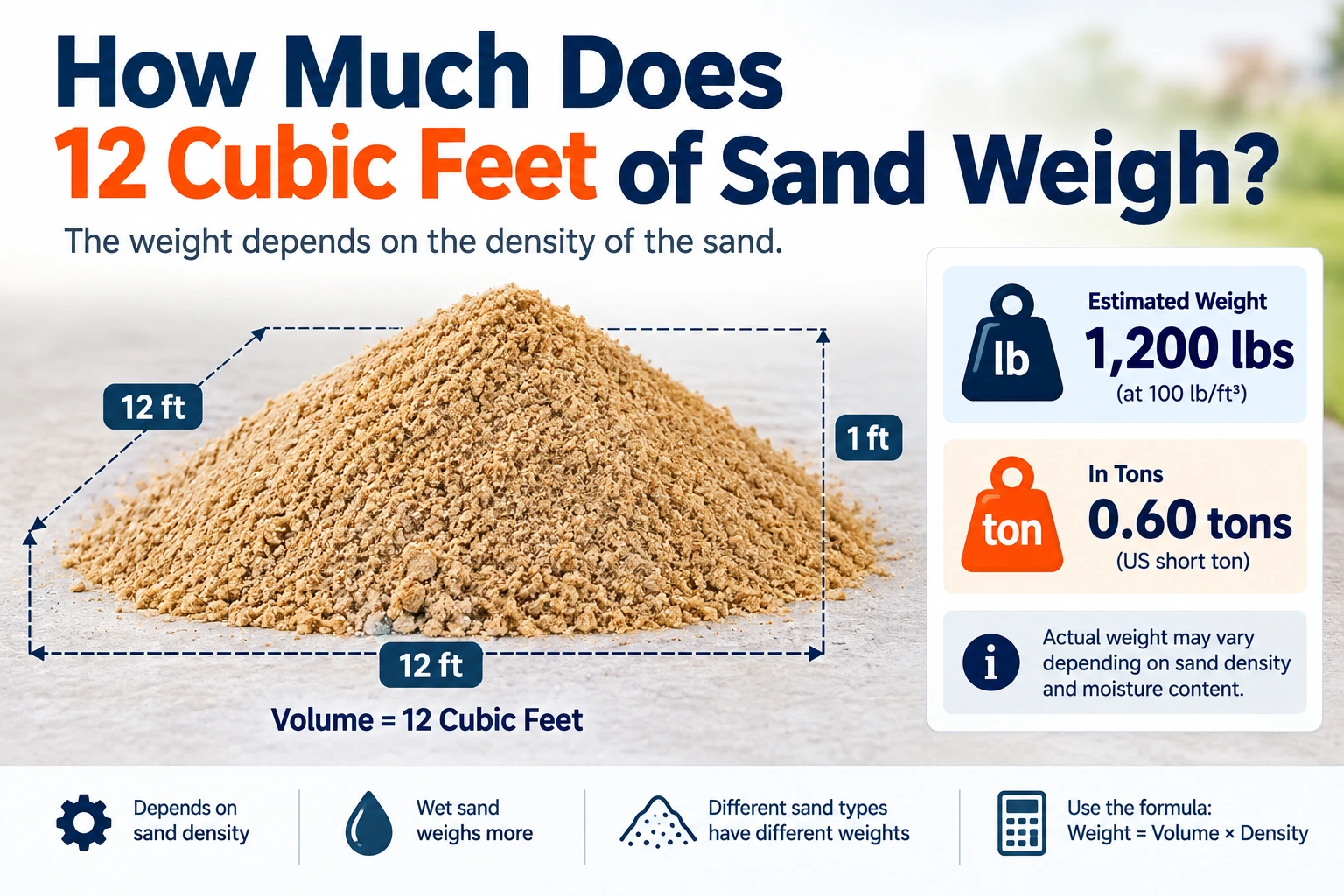
If you need to know 12 cubic foot of sand weight, the answer depends mainly on the density of the sand. Different types of sand can have different densities, and moisture can also change the total weight.
As a general estimate, dry sand often weighs around 90 to 110 pounds per cubic foot. Using a typical value of 100 lb/ft³, 12 cubic feet of sand would weigh approximately:
12 × 100 = 1,200 pounds
So, 12 cubic feet of sand weighs about 1,200 pounds using a 100 lb/ft³ density estimate.
That is approximately:
1,200 ÷ 2,000 = 0.60 tons
The actual weight may be higher or lower depending on the specific sand and its moisture content.
Quick Answer: 12 Cubic Feet of Sand Weight
For a quick estimate:
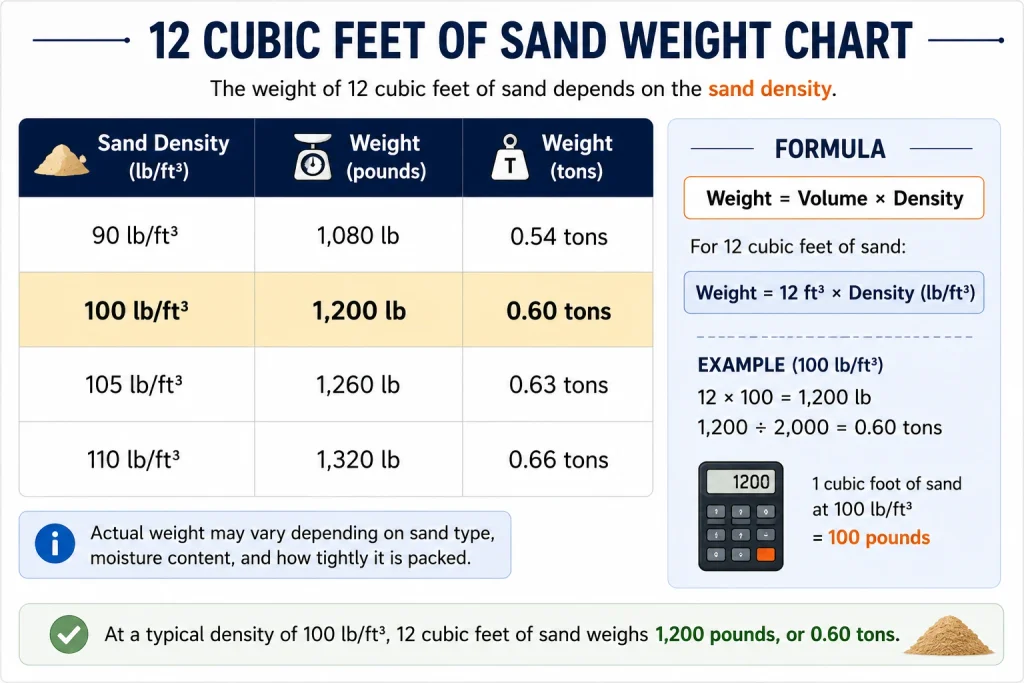
| Sand Density | Weight of 12 ft³ |
|---|---|
| 90 lb/ft³ | 1,080 lb |
| 100 lb/ft³ | 1,200 lb |
| 105 lb/ft³ | 1,260 lb |
| 110 lb/ft³ | 1,320 lb |
This means 12 cubic feet of sand may weigh roughly 1,080–1,320 pounds when using these example densities.
For an accurate estimate, use the density provided by your sand supplier or material specification.
Why Does 12 Cubic Feet of Sand Have Different Weights?
The volume itself does not determine the exact weight. Density is what connects volume and weight.
Sand can vary in weight because of:
- Type and composition of the sand
- Particle size
- How tightly the sand is packed
- Moisture content
- Whether the material is loose or compacted
For example, two piles can each occupy exactly 12 cubic feet but have different weights if their densities are different.
This is why it is better to calculate the weight using the specific density of the sand rather than assuming that every cubic foot weighs exactly the same.
The Basic Calculation
To calculate the weight of 12 cubic feet of sand, multiply the volume by the sand’s weight density:
Weight = Volume × Density
For example, if the sand density is 100 lb/ft³:
Weight = 12 ft³ × 100 lb/ft³
Weight = 1,200 lb
So the estimated 12 cubic foot of sand weight is 1,200 pounds at this density.
How Much Does 12 Cubic Feet of Sand Weigh in Pounds?
The easiest way to find the weight is to multiply the volume by the estimated density of the sand.
For example, using a density of 100 pounds per cubic foot:
12 × 100 = 1,200 pounds
Therefore, 12 cubic feet of sand would weigh approximately 1,200 pounds at this density.
However, if the sand has a different density, the result changes:
- At 90 lb/ft³ → 1,080 pounds
- At 100 lb/ft³ → 1,200 pounds
- At 105 lb/ft³ → 1,260 pounds
- At 110 lb/ft³ → 1,320 pounds
For project planning, use the actual density of the sand you are purchasing whenever that information is available.
How Many Tons Is 12 Cubic Feet of Sand?
Since one U.S. short ton equals 2,000 pounds, you can convert the estimated weight from pounds to tons by dividing by 2,000.
Using the 100 lb/ft³ example:
1,200 ÷ 2,000 = 0.60 tons
So, 12 cubic feet of sand weighs approximately 0.60 tons when using a density of 100 lb/ft³.
The approximate results for different densities are:
| Sand Density | 12 Cubic Feet | Approximate Tons |
| 90 lb/ft³ | 1,080 lb | 0.54 tons |
| 100 lb/ft³ | 1,200 lb | 0.60 tons |
| 105 lb/ft³ | 1,260 lb | 0.63 tons |
| 110 lb/ft³ | 1,320 lb | 0.66 tons |
These values are estimates because actual sand density can vary.
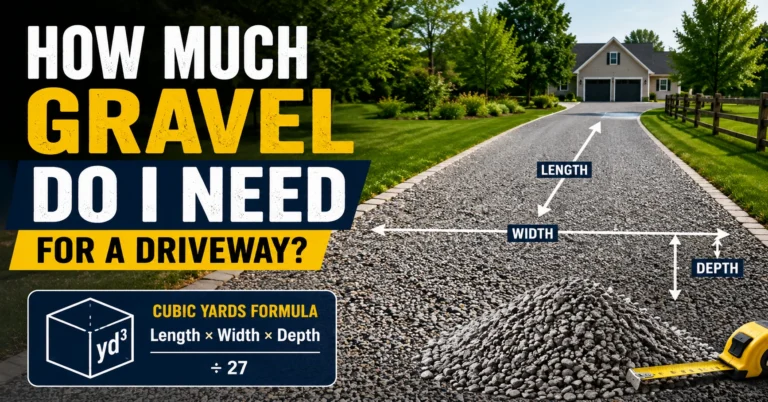
How Much Is 12 Cubic Feet of Sand in Cubic Yards?
If you need to compare your 12 cubic feet of sand with a supplier that sells material by the cubic yard, you can convert cubic feet to cubic yards.
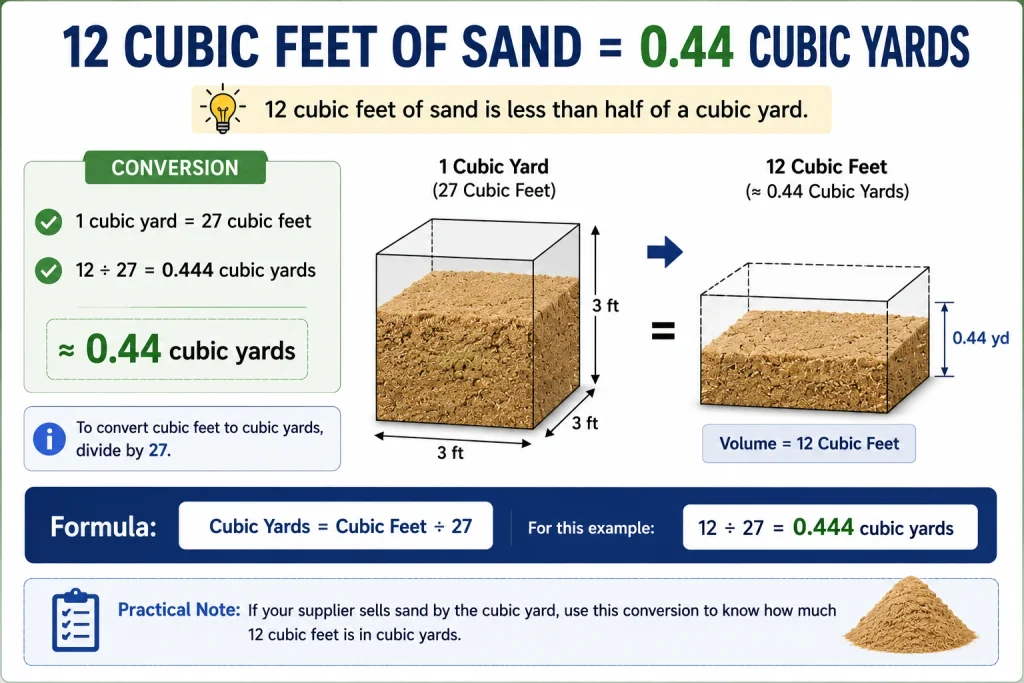
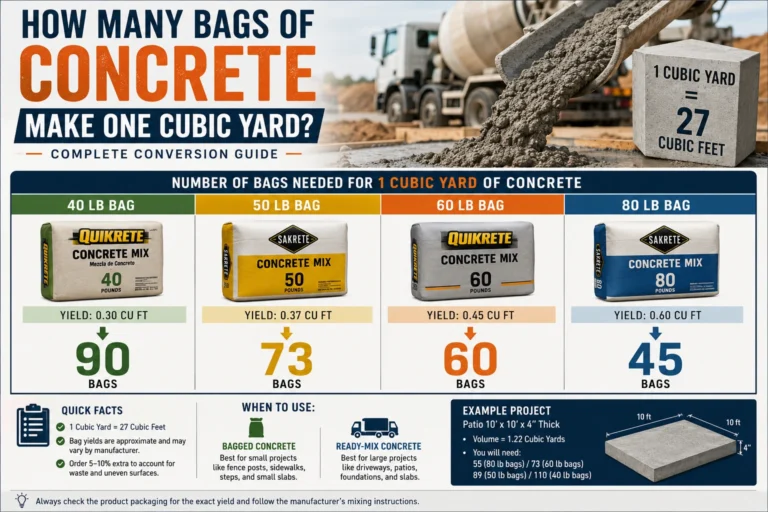
There are 27 cubic feet in 1 cubic yard.
So:
12 ÷ 27 = 0.444 cubic yards
Therefore, 12 cubic feet of sand is approximately 0.44 cubic yards.
This is less than half of a cubic yard.
Example: Calculating the Weight of 12 Cubic Feet of Sand
Suppose you are using a sand density of 105 lb/ft³.
Start with the volume:
12 cubic feet
Multiply it by the density:
12 × 105 = 1,260 pounds
Now convert pounds to tons:
1,260 ÷ 2,000 = 0.63 tons
So in this example, 12 cubic feet of sand weighs approximately 1,260 pounds, or 0.63 tons.
This example demonstrates why knowing the specific density is important. Using 100 lb/ft³ would give 1,200 pounds, while 105 lb/ft³ gives 1,260 pounds for exactly the same volume.
Does Wet Sand Weigh More Than Dry Sand?
Yes. Wet sand generally weighs more than dry sand because water adds additional mass to the material.
This can make a noticeable difference when buying, transporting, or estimating sand by weight. Two loads with the same volume can weigh differently if one contains considerably more moisture.
For this reason, a calculation based on dry sand density should be treated as an estimate when the actual material is wet.
If you’re ordering sand for a construction or landscaping project, check whether the supplier provides a density or estimated weight for the specific material being sold.
What Factors Affect the Weight of 12 Cubic Feet of Sand?
Although the volume stays fixed at 12 cubic feet, the actual weight can change depending on the characteristics of the sand.
Type of Sand
Different types of sand have different densities. Fine construction sand, masonry sand, washed sand, and other specialty sands may not have the same weight per cubic foot.
For this reason, there is no single weight that applies to every type of sand.
Moisture Content
Water adds weight to sand. Damp or wet sand can therefore weigh more than dry sand occupying the same volume.
If you’re estimating material for transportation or ordering purposes, the moisture condition of the sand can affect the actual delivered weight.
Compaction
Loose sand contains more air spaces between individual particles. When sand is compacted, the particles are packed closer together.
This can affect the amount of sand required to fill a particular space and can also change the relationship between the measured volume and the material’s bulk density.
Particle Size and Shape
Sand particles can vary in size and shape. These characteristics influence how efficiently the particles fit together and how much empty space remains between them.
As a result, two different sands occupying the same 12 cubic feet can have different weights.
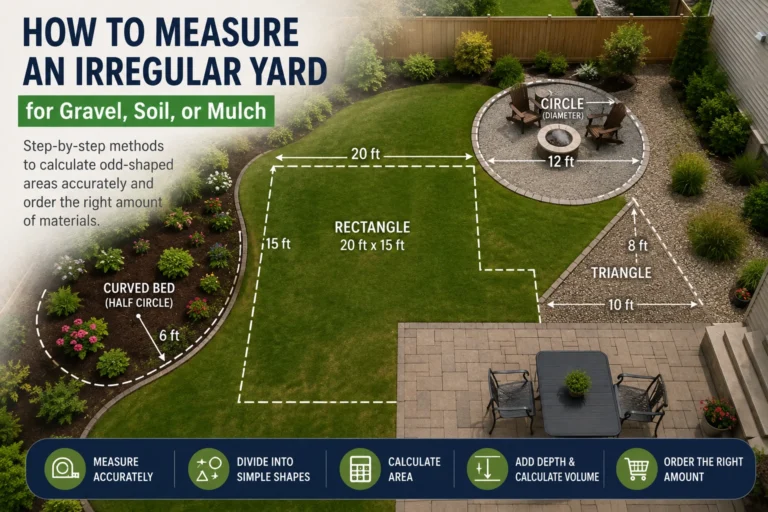
How to Estimate 12 Cubic Feet of Sand for a Project
If you’re trying to determine how much sand you need for a project, start by calculating the required volume.
For a rectangular area, use:
Length × Width × Depth = Cubic Feet
Make sure all three measurements use feet. If your depth is given in inches, divide it by 12 first.
For example, an area that is 12 feet long, 10 feet wide, and 1 inch deep would require:
12 × 10 × (1 ÷ 12) = 10 cubic feet
Once you know the volume, you can use the appropriate sand density to estimate its weight.
If your project requires 12 cubic feet, you can then multiply 12 by the density in pounds per cubic foot.
12 Cubic Feet of Sand: Quick Reference
Using the example densities from earlier:
- 90 lb/ft³: about 1,080 pounds
- 100 lb/ft³: about 1,200 pounds
- 105 lb/ft³: about 1,260 pounds
- 110 lb/ft³: about 1,320 pounds
So a reasonable estimate using these example densities is about 1,080 to 1,320 pounds.
For purchasing decisions, however, the supplier’s stated density should take priority over a general estimate.
Frequently Asked Questions
Is 12 cubic feet of sand more than half a cubic yard?
No. One cubic yard contains 27 cubic feet, so 12 cubic feet equals approximately 0.44 cubic yards.
How many pounds are in 12 cubic feet of sand?
The answer depends on density. At 100 lb/ft³, 12 cubic feet weighs approximately 1,200 pounds.
How many tons is 12 cubic feet of sand?
At a density of 100 lb/ft³, 12 cubic feet weighs about 0.60 tons. The actual value can vary with sand type and moisture.
Does wet sand weigh more than dry sand?
Yes. Water adds mass, so wet sand generally weighs more than an equal volume of dry sand.
Is the weight of sand always the same?
No. Sand density varies according to material type, moisture, particle characteristics, and packing conditions.
Final Answer
So, how much does 12 cubic feet of sand weigh?
There isn’t one exact answer without knowing the sand’s density. Using a common example of 100 pounds per cubic foot, the calculation is:
12 × 100 = 1,200 pounds
That is approximately 0.60 U.S. tons.
At densities of 90–110 lb/ft³, the same 12 cubic feet would weigh approximately 1,080–1,320 pounds.
For the most accurate result, use the density provided by your sand supplier rather than relying on a general estimate.
This approach makes it easy to estimate both the volume and weight of sand before ordering material for a construction, landscaping, or other project.